Short answer: The best franchise model depends on your investment level, management style, and how involved you want to be day-to-day.
QSR (Quick Service Restaurants): Prioritize speed, simplicity, and high volume
Fast Casual: Balances quality and efficiency with a more elevated experience
Casual Dining: Focuses on full-service hospitality and longer guest experiences
For many modern franchisees, fast casual offers the most balanced opportunity, but it’s not the right fit for everyone.
Understanding the Three Franchise Models
QSR (Quick Service Restaurants): Built for Speed and Scale
QSR brands are designed for efficiency above all else. What defines QSR:
- Limited menus
- Highly standardized processes
- Heavy reliance on drive-thru and takeout
- Lower price points
Best for owners who:
- Prefer structured, system-driven operations
- Are focused on high transaction volume
- Want a more turnkey, process-heavy model
QSR can be a strong option if you’re looking for predictability and scalability, but it often leaves less room for product differentiation.
Casual Dining: Experience-Driven, but More Complex
Casual dining sits on the opposite end of the spectrum. What defines casual dining:
- Full table service
- Larger menus and kitchens
- Higher build-out and labor costs
- Longer customer visits
Best for owners who:
- Enjoy hospitality and guest interaction
- Are comfortable managing larger teams
- Can handle more complex operations
While the guest experience can be rewarding, casual dining typically requires higher investment and more hands-on management.
Fast Casual: The Middle Ground That’s Gaining Momentum
Fast casual has emerged as one of the most attractive franchise segments in recent years. It blends the speed of QSR with the quality and experience of casual dining.
What defines fast casual:
- Made-to-order food
- Elevated ingredients and transparency
- No full table service, but a better in-store experience
- Strong takeout and off-premise performance
Brands like Penn Station Sandwiches operate in this space, delivering high-quality, freshly prepared food with operational models that remain efficient.
Why Many Franchisees Are Choosing Fast Casual in 2026
Fast casual aligns closely with how consumers eat today:
- They want quality without the wait
- They expect fresh, customizable options
- They rely on takeout and digital ordering
From an ownership perspective, that translates to:
- Strong average ticket potential compared to QSR
- Lower complexity than full-service restaurants
- Flexibility across dine-in and off-premise channels
Is Fast Casual the Right Fit for You?
Fast casual isn’t just about the concept; it’s about the operator. You’re more likely to succeed in this segment if you:
Value quality and execution: Fast casual guests notice details. Consistency, freshness, and presentation matter more than in traditional QSR.
Want to be operationally involved: While systems are streamlined, fast casual requires active oversight, especially around food quality and team performance.
Balance efficiency with experience: You’re not just serving food; you’re delivering an experience that sits between fast and full-service. That means managing:
- Speed of service
- Product quality
- Customer interaction
All at once.
Are comfortable with moderate complexity: Fast casual is simpler than casual dining, but more nuanced than QSR. Owners who do well here can:
- Lead teams effectively
- Maintain standards
- Adapt to customer expectations
When Penn Station Fits
Penn Station Sandwiches is a strong example of how fast casual can strike the right balance. The model is built around:
- Made-to-order, fresh-grilled subs
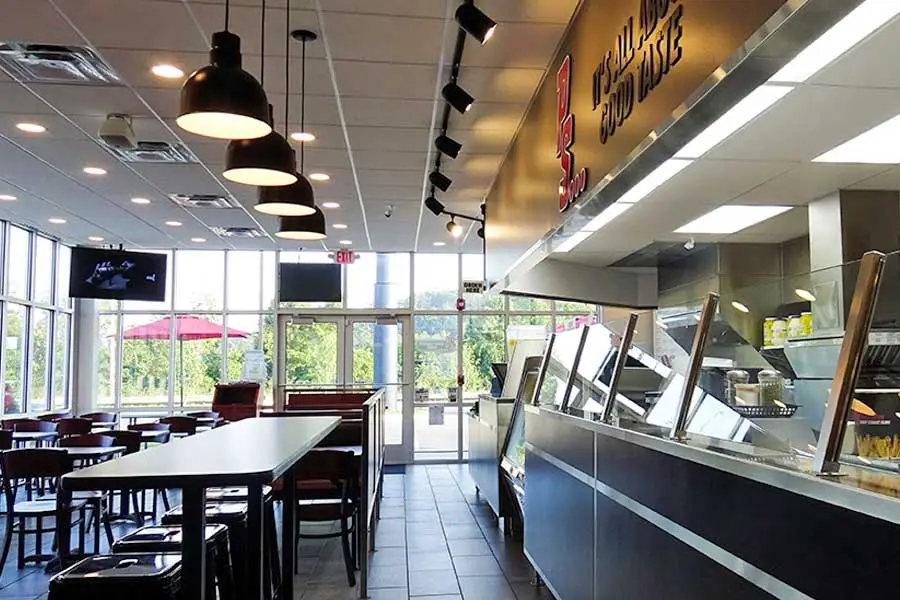
- In-store preparation that reinforces quality and transparency
- A focused menu that avoids unnecessary complexity
This allows franchisees to deliver a differentiated product while maintaining operational efficiency, one of the key advantages of the fast casual segment.
The Bottom Line
There’s no one-size-fits-all answer when choosing between QSR, fast casual, and casual dining.
- QSR offers simplicity and scale
- Casual dining offers experience and higher average check
- Fast casual offers a balance of both
For many prospective franchisees in 2026, fast casual stands out as the most adaptable and consumer-aligned model, especially when paired with a brand that executes it well.
Frequently Asked Questions
What is the difference between QSR and fast casual?
QSR focuses on speed, low prices, and standardized processes, while fast casual emphasizes higher-quality food, made-to-order preparation, and a more elevated customer experience.
Is fast casual more profitable than QSR?
It can be, depending on the brand and execution. Fast casual often benefits from higher average tickets, though it may involve slightly more operational complexity.
Who should invest in a casual dining franchise?
Casual dining is best suited for owners who enjoy hospitality, can manage larger teams, and are prepared for higher upfront and ongoing costs.
Why is fast casual growing?
It aligns with modern consumer preferences for convenience, quality, and flexibility, especially with the continued rise of takeout and digital ordering.
Where does Penn Station fit: QSR or fast casual?
Penn Station Sandwiches operates in the fast casual segment, combining made-to-order food with an efficient, streamlined operations model.