Short answer: Yes, sub and sandwich franchises remain one of the most stable and adaptable investments in the restaurant industry in 2026.
And some brands are outperforming the category by leaning into quality, simplicity, and a model built for how people actually eat today.
Why the Sandwich Category Still Works
Everyday Demand Drives Consistency
Sandwiches aren’t a passing trend; they’re part of everyday life. From quick lunches to easy family dinners, subs offer:
- Familiarity
- Speed
- Broad Appeal
That kind of repeat behavior creates a reliable foundation for franchisees.
Built for Off-Premise Growth
Takeout and digital ordering continue to shape the restaurant landscape. Sandwich concepts naturally fit this shift:
- Portable and easy to package
- Travel well without sacrificing quality
- Ideal for online ordering and third-party delivery
For franchise owners, that means flexibility in how revenue is generated, without relying solely on dine-in traffic.
Where Penn Station Stands Out
While the category is strong, execution is what separates average brands from high-performing ones. Penn Station Sandwiches has built its model around a few key advantages:
Made-to-Order, In Front of the Customer
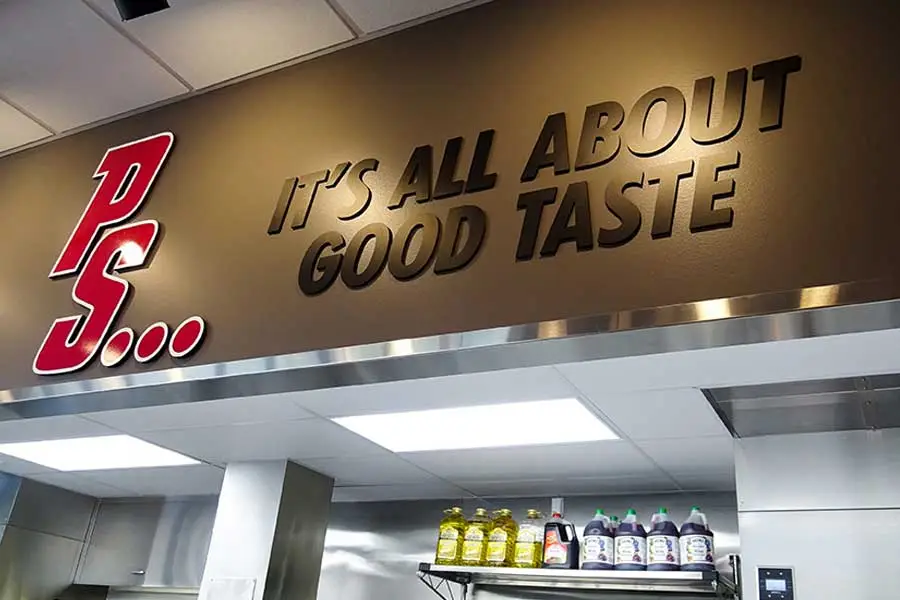
Transparency matters more than ever. Penn Station’s open-kitchen approach reinforces freshness and quality, giving customers confidence in what they’re ordering and creating a more engaging in-store experience.
A Product That Differentiates Itself
Not all subs are created equal. Penn Station focuses on:
- Fresh-grilled subs
- Hand-cut fries made in-house
- Fresh-squeezed lemonade
This combination elevates the experience beyond a typical sandwich shop and helps drive repeat visits.
Operational Simplicity That Scales
Behind the scenes, the model is designed for efficiency:
- Focused menu
- Streamlined prep processes
- No unnecessary complexity
That balance, high-quality food without operational overload, is critical for franchisees managing labor, training, and day-to-day execution.
Strong Unit-Level Focus
Rather than chasing rapid, unchecked expansion, Penn Station has prioritized sustainable growth and franchisee success. For prospective owners, that often translates to:
- More thoughtful territory development
- Support systems that evolve with the business
- A model built around long-term performance, not short-term hype
What This Means for Franchisees in 2026
The question isn’t just whether sandwich franchises are a good investment. It’s whether you’re choosing a brand that:
- Aligns with modern dining habits
- Delivers operational efficiency
- Creates a differentiated customer experience
Sandwiches, check the category boxes. Brands like Penn Station Sandwiches check the execution boxes.
The Bottom Line
A sub or sandwich franchise remains a smart bet in 2026 because the fundamentals haven’t changed: people still want convenient, affordable, high-quality meals. What has changed is the level of competition. Franchisees who win in this category will be the ones who invest in brands that:
- Stand out in product quality
- Operate efficiently
- Adapt to evolving consumer behavior
That’s where the right concept can make all the difference.
Frequently Asked Questions
Is a sandwich franchise a good investment in 2026?
Yes. The category continues to benefit from consistent demand, off-premise dining growth, and relatively simple operations compared to other restaurant models.
What makes a sandwich franchise successful?
Strong branding, operational efficiency, high-quality food, and a loyal customer base all contribute to long-term success.
How is Penn Station different from other sub-franchises?
Penn Station differentiates itself through fresh-grilled subs, in-house sides like hand-cut fries, and a streamlined operational model focused on quality and consistency.
Are sandwich franchises oversaturated?
While competitive, the category continues to grow. Brands with clear differentiation and strong execution still have significant opportunity.